
Water Heater Replacement in Liverpool, and the Pipe Feeding It
Putting a new tank on the end of a corroding galvanized supply is the most common wasted purchase in this village.
Water Heaters quote in Liverpool
Share a few details so we can confirm coverage and arrange the right next step.
Would you rather talk it through? Call (315) 640-3590, answered 24/7.
$100 off your first job
Credited by us on your first booked job.
- One credit per customer per property, on your first booked job.
- Valid through December 31, 2026.
Mention this offer when you book. Full terms.
Sequence the tank and the supply pipe in the right order
Liverpool records 196 service lines as galvanized requiring replacement, 16.4 percent of the village, the highest rate here. That matters when a water heater is being replaced, because a corroding supply keeps feeding rust and sediment into whatever tank sits at the end of it. The question worth settling before the purchase is whether the discoloration and the poor recovery are the heater at all, or the pipe delivering to it, because the answer changes what you buy and the order you buy it in.
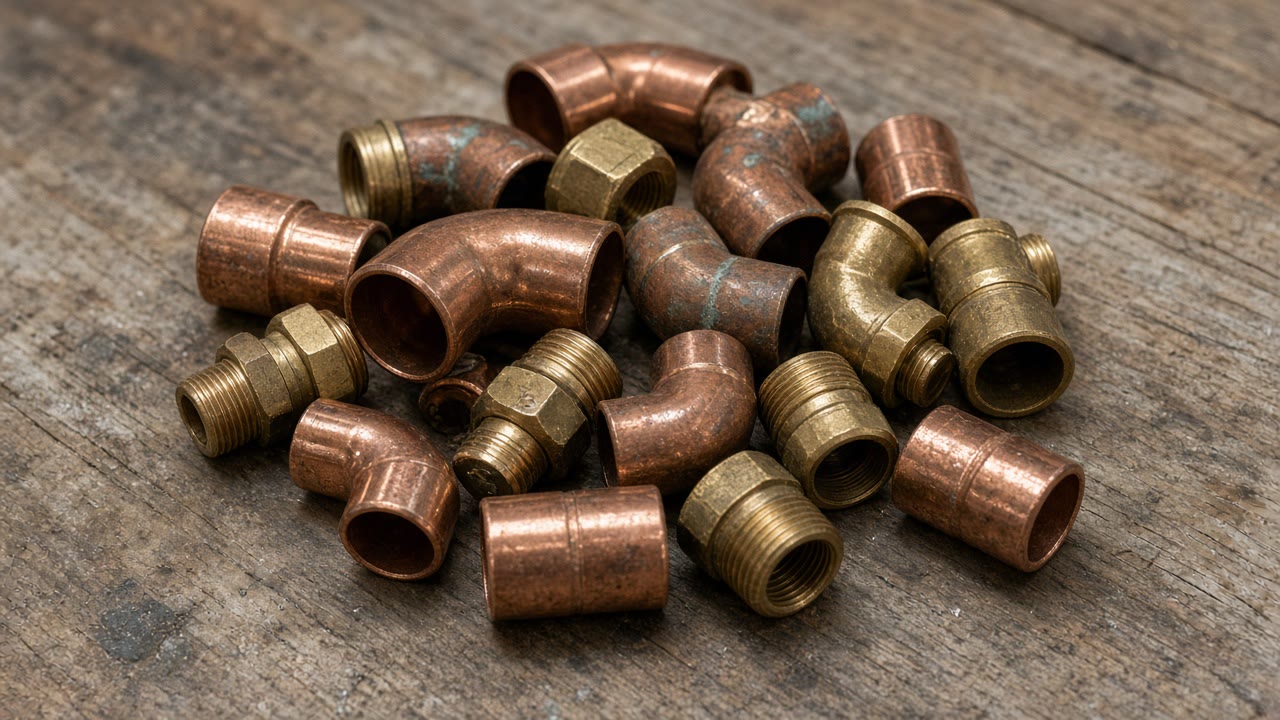
What water heaters involves
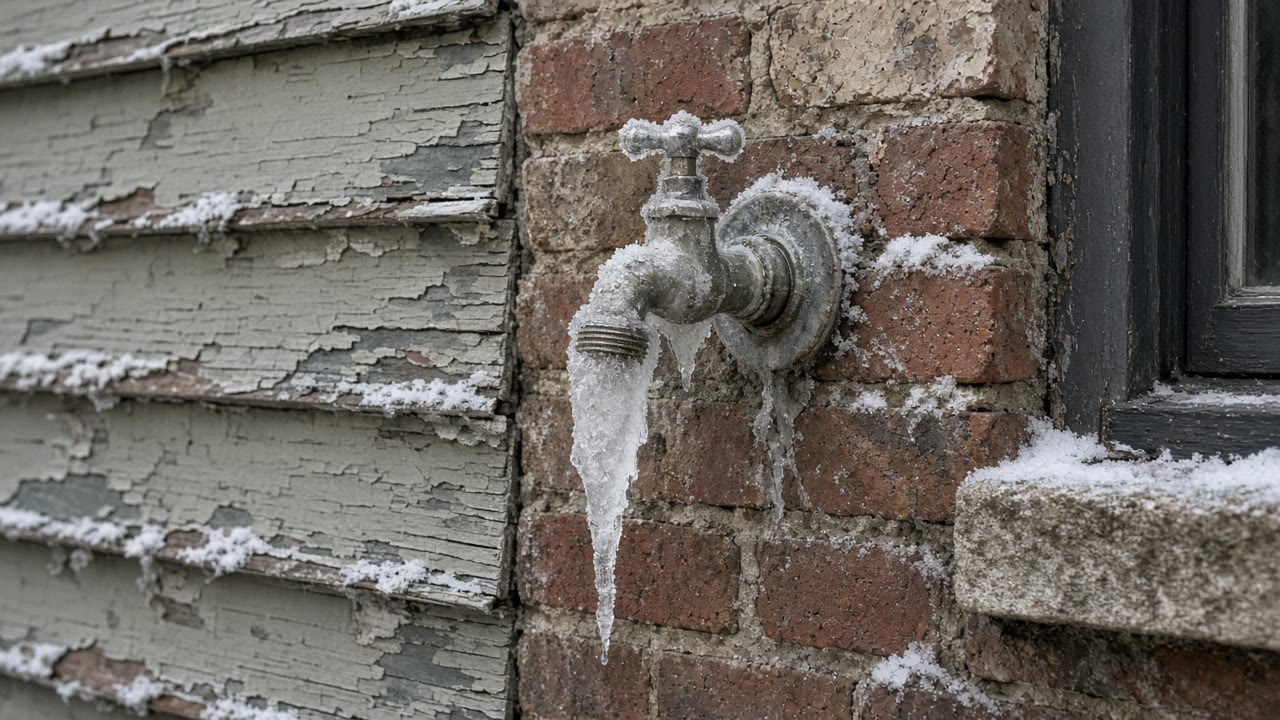

Is it the tank, or what is arriving at the tank
Three symptoms separate cleanly. Rust on the hot side only points at the water heater. Rust on the cold side throughout the house points at the supply piping or the street, and the published procedure is to run one cold tap for ten to fifteen minutes with the aerator off, never the hot first. White granules that look like powdered soap are the plastic dip tube in a heater built between 1993 and 1996, which is a part rather than an appliance, and it is a strong signal of age, since a heater from those years is at roughly triple its expected life.
Flush the tank before condemning it
OCWA rates its water moderately hard at 115 to 190 parts per million, about 6 to 11 grains per gallon. That is enough to lay sediment in the bottom of a tank, and a rumbling heater that still makes hot water usually wants a flush and an anode rod check rather than replacing.
If the service is due, do it before the new tank
Where the record already shows the line as galvanized requiring replacement, replacing the pipe first means the new heater starts life on clean supply. Doing it the other way round means the new tank collects what the old pipe sheds.
The replacement is permitted work here
Onondaga County requires a plumbing permit before a new water heater is installed, with a residential checklist submitted alongside the application. That is unusual nationally and it is why the compliant quote here names an expansion tank, a relief discharge and a permit rather than just a tank.
Liverpool's supply pipe record, and what hard water does to a tank
The New York State Lead Service Line Inventory records 1,193 service lines under the locality Village of Liverpool: 196 galvanized requiring replacement, 2 lead, 147 non lead and 848 unknown. That is 16.4 percent of all records classified as galvanized requiring replacement, the highest rate of any village in the Syracuse metro. In 108 of those 196 the public side is already copper.
Source: New York State Department of Health, accessed 2026-09-13
OCWA advises that customers with dirty, discolored or rusty water should run one cold water faucet for 10 to 15 minutes until it clears, and explicitly not run the hot water first, so that discolored water is kept out of the hot water tank. It recommends removing screens, filters or aerators from the faucet being flushed, or flushing a cold bathtub tap instead, and says that after a main break or maintenance work a cold tap should be run for 15 to 30 minutes.
Source: Onondaga County Water Authority, accessed 2026-09-13
OCWA states that white particles in the water that look like powdered soap are often the plastic filler tube inside certain water heaters breaking down into granules, that this is most likely with water heaters manufactured between 1993 and 1996, and that the manufacturers report the problem solved, with affordable and easy to install replacements available.
Source: Onondaga County Water Authority, accessed 2026-09-13
OCWA's 2024 Consumer Confidence Report states that the hardness of its water ranges from 115 to 190 parts per million, equal to about 6 to 11 grains per gallon, which it describes as moderately hard, and that the pH runs from 7.1 to 8.7 with alkalinity from 95 to 140 milligrams per liter as calcium carbonate. It adds that softening does not improve the sanitary quality of water, that softeners mostly remove calcium carbonate and stop spotting and scaling, and that softeners may increase water usage because it takes more soft water to rinse away soap.
Source: Onondaga County Water Authority, accessed 2026-09-13
Onondaga County Plumbing Control states that a plumbing permit is required prior to the installation of a new water heater, noting that improper installation through incorrect connections, venting or clearance could result in electrical shock or fire and that a small error installing a gas water heater could cause a poisonous leak or explosion. A permit is also required before installing a new plumbing system or an upgraded or changed system, even where the homeowner is doing the work.
Source: Onondaga County Department of Water Environment Protection, accessed 2026-09-13
Hot side only, or every tap?
That one distinction usually decides whether this is a tank job or a pipe job.
Other plumbing we arrange for Liverpool homes
Heater questions from Liverpool households
Only the hot water is rusty. Is that the tank or the pipe?
Rust on the hot side alone points at the water heater, and it is one of the few symptoms that is genuinely diagnostic on its own. Rust at every cold tap points at the supply piping or the street instead, which matters in a village carrying 196 galvanized service lines. If the hot has been rusty since somebody last ran a hot tap during a street disturbance, sediment was probably drawn into the tank at that moment, and it settles in the bottom and stays. A flush is the first move, not a purchase.
Is it worth replacing the heater if the supply line is galvanized?
It is worth deciding the order rather than doing one and hoping. A new tank fed by a corroding galvanized service will keep collecting what that pipe sheds, so the money works harder if the pipe goes first where the record already says it needs replacing. If the heater has genuinely failed and the pipe is merely aging, take the heater now and plan the service line for a dry autumn, which is the season the work is easiest to arrange anyway.
Tell us what the hot water is doing in Liverpool
Rusty, noisy, running out early, or gone. Describe it with the address and there is no obligation.