
Syracuse and the surrounding New York area
Faucet, Toilet, Shutoff Valve and Fixture Repair in Syracuse
Get a dripping faucet, a running toilet or a seized shutoff dealt with, and know which of them you could reasonably do yourself.
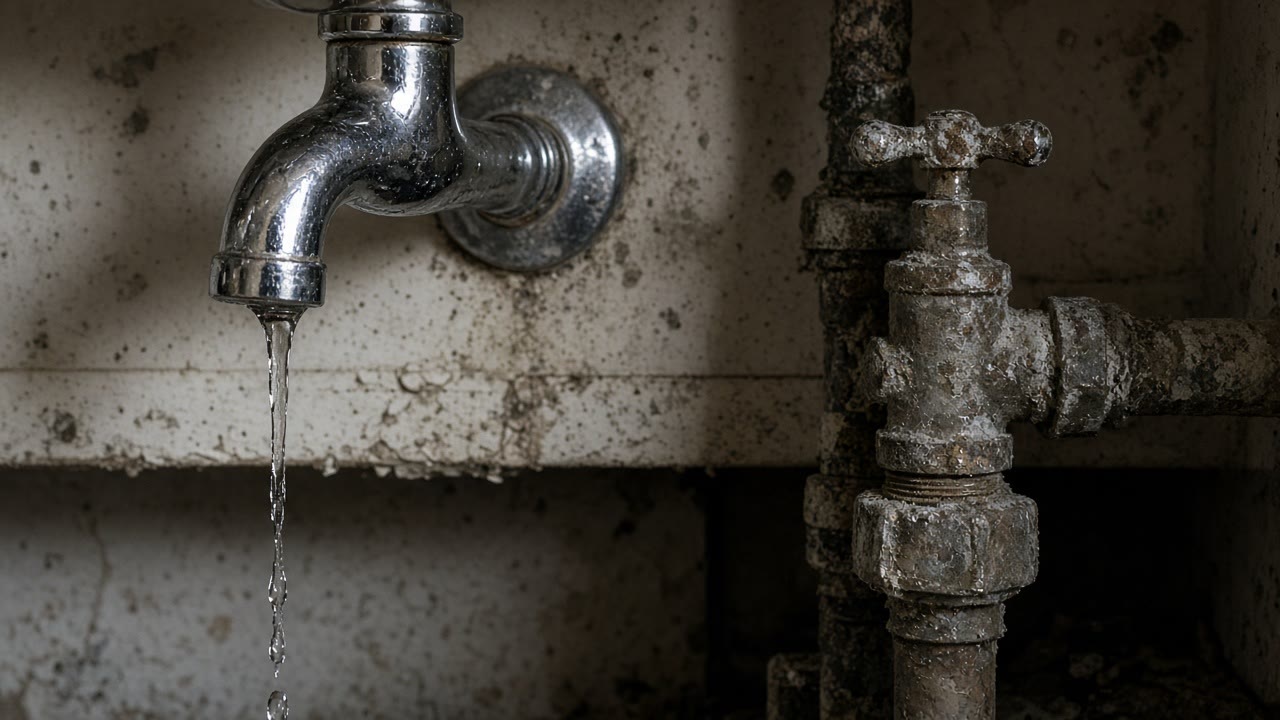
Fixtures and Valves quote
Small jobs are worth describing precisely, because that is what decides whether it gets done in one visit. Tell us what is dripping, running or seized, and we will put you in front of licensed, insured contractors who work to the county rules on the small jobs as well as the large ones.
Would you rather talk it through? Call (315) 640-3590, answered 24/7.
$100 off your first job
Credited by us on your first booked job.
- One credit per customer per property, on your first booked job.
- Valid through December 31, 2026.
Mention this offer when you book. Full terms.
The work that needs no permit, and the work that does
This is the small work, and it is the one category Onondaga County exempts from a permit. Plumbing Control states that the only instance where a plumbing permit is not required is where a fixture such as a faucet or shower head is replaced with one of the same flow rating, and lists the repair or replacement of a faucet, flush valve, supply tube, individual fixture stop, toilet fill valve or flushing mechanism, in kind to what you already have, as work that needs no permit. Anything that moves, adds or changes pipe does need one. That single sentence is the most useful thing a homeowner can know about this trade here, because it tells you what a quote should not be charging a permit fee for, and it tells you where the line sits between a job you can take on and one you should not.
- Faucet repair and in kind replacement at the kitchen, bathroom and utility sink
- Toilet fill valves, flappers and flush mechanisms, the in kind replacements the county exempts
- Individual fixture stops under sinks and toilets, the valves that seize and then weep
- Supply tubes and braided connectors behind fixtures and appliances
- The two customer owned shutoff valves the water authority requires, inside the wall and at the meter
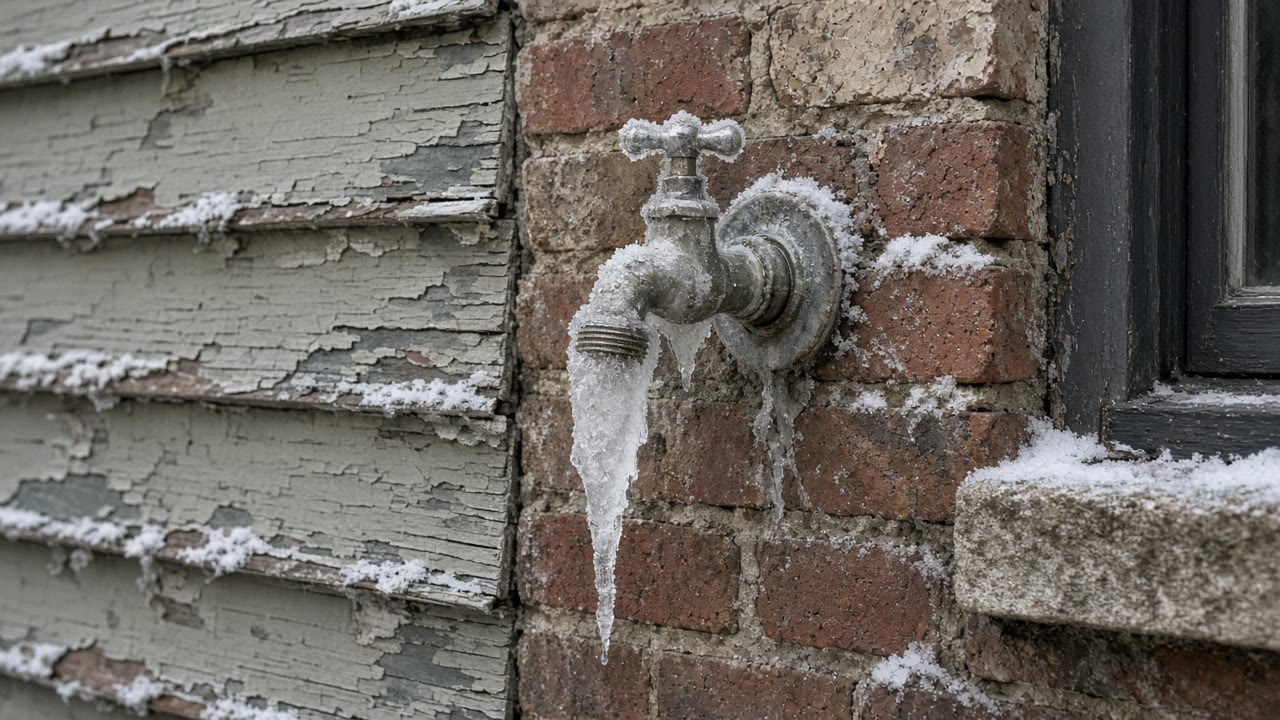
- Hose bibs and frost proof sillcocks, which split over a Central New York winter
- A pressure reducing valve where incoming pressure runs above 80 psi
- Shower valves and tub fillers, which usually cross the line from in kind into permitted work
- Aerators and screens cleaned or replaced, which is also the lead advice the city publishes
- Backflow preventers, and the annual test and paperwork a device brings with it
- Laundry and appliance supply stops
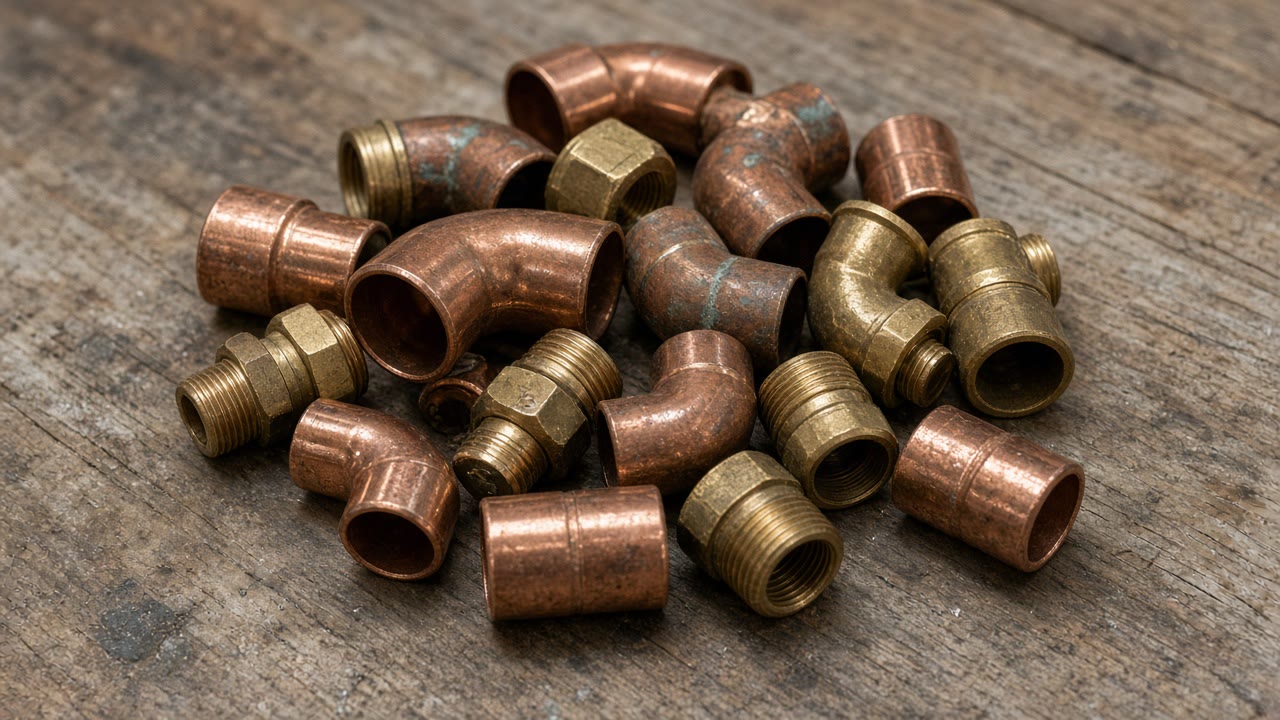
What separates a fifteen minute job from a permitted one
On small work the price is decided by three things: whether the replacement is in kind, whether the valve feeding it still turns, and what the pressure behind it is doing. All three are checkable before anyone quotes.
Whether the replacement is in kind
Onondaga County states that the only instance where a plumbing permit is not required is a fixture such as a faucet or shower head replaced with one of the same flow rating, and names the faucet, flush valve, supply tube, individual fixture stop, toilet fill valve and flushing mechanism as in kind work. A quote that adds a permit line to a like for like faucet swap is adding a cost the county does not charge. Move a pipe, add a fixture or change a flow rating and the permit is back, along with the inspection.
Whether the valve feeding the fixture still turns
A seized fixture stop turns a fifteen minute job into a house shutdown, and that is most of the difference between two prices on the same faucet. The valves are yours, whatever they sit next to: OCWA answers the question directly by saying it owns only the meter and the remote reader, and that all plumbing and piping including shutoff valves belongs to the owner. Usefully, OCWA will shut the water off at the road while a repair is done if you call ahead, so a seized stop does not have to become an emergency.
What the pressure behind it is
Fixtures on high pressure fail early, drip sooner and bang. Section 5.4.H of the county requirements makes an approved pressure reducing valve mandatory on the inlet side of the meter where line pressure exceeds 80 psi in OCWA territory. A gauge on a hose bib is a few dollars and tells you whether the valve is missing, present or has quietly failed, which is worth knowing before you replace the third cartridge in two years.
How old the house and the fixture are
Age changes what is behind the escutcheon and what the fixture is made of. EPA's threshold for calling a fitting lead free is a weighted average of 0.25 percent across wetted surfaces, and 0.2 percent for solder and flux, so lead free is a legal limit rather than a zero, and homes built before 1986 are likely to have lead solder joints and older brass regardless of what the service line is made of. In a city where the median house dates from 1948, that is the normal case and not an exception.
Whether there is a backflow assembly on the property
A backflow preventer brings a paperwork obligation with it and it is the most commonly forgotten one. OCWA's customer rules, citing the state sanitary code, require protective devices to be tested at least annually by a tester the State recognizes, with the results reaching the authority. In the city the route is different again: since July 2011 backflow preventers require review and approval by the Syracuse Water Department, which forwards the submission to the county Health Department, and a cross connection control plan has to be approved before a water service application is even accepted.
What the fixture is mounted on and connected to
An old rough in, a nonstandard faucet spread, a wall hung basin or a tiled in shower valve all decide whether this stays a fixture job. A shower valve in particular usually crosses into permitted work, because reaching it means opening a wall and the replacement rarely matches the old body. Knowing that before you buy the fixture avoids a change of scope on the day.
Who is actually standing at your door
On small work there is no permit and no inspection to sit behind, so the check is the person. Onondaga County requires plumbers working in the county to be licensed and registered with WEP Plumbing Control and to carry their registration card as identification for inspectors and property owners alike, which means you are explicitly one of the people entitled to ask. The county also requires license decals on both sides of commercial vehicles, requires the license holder or a registered journeyman to be present during an installation, and publishes a master list of licensed plumbers along with a number for verification and complaints, 315-435-6614.
One fixture, or the whole house?
If everything is slow, the taps are the symptom. That is worth knowing before anyone is booked.
How small plumbing work runs
Say what it is doing, and how long it has been doing it
A faucet that drips from the spout, one that weeps at the base, and one that only drips after the hot has run are three different faults. A toilet that runs constantly and one that refills every twenty minutes are two different parts. The description decides what turns up in the van, and on small work that is most of whether it gets done in one visit.
Check the stop before the fixture
The first thing worth testing is the valve under the sink or behind the toilet. If it closes, the job stays small. If it does not, the work now includes replacing the stop, which means isolating further back, and that is a scope change worth knowing about before it is discovered with the water off.
Confirm whether it is in kind or a change
Same fixture, same flow rating, same location and no pipe moved is the county's no permit case. A different spread, a relocated supply, an added fixture or a different flow rating is a permitted alteration, and in that case the permit comes before the work and only a holder of a county Certificate of Competency may obtain it.
Isolate at the right valve
Fixture stop first, then the valve within 12 inches of the inside of the building wall, then the valve at the meter, and never the curb box, which OCWA reserves to its own staff. Where the whole house has to come off and the indoor valves will not hold, OCWA will shut the water at the road by arrangement, which is worth booking before the plumber arrives rather than during.
Replace, then look at the screens
The aerator is checked and cleaned as a matter of course, because it is where sediment collects and because the city's own lead guidance asks residents to remove and clean faucet screens regularly for exactly that reason. On a house with older pipework this is the step that makes the difference a new faucet was supposed to make.
Test under pressure, then watch the bill
A repaired fixture is proved by use rather than by the first minute. Where the reason for the call was a bill, the dye test is repeated on every toilet and the meter is read again with everything closed, because the sewer charge here is calculated from metered water and a second running toilet costs as much as the first.
Where a permit was needed, the inspection follows
Anything past in kind is permitted work in this county, with the inspection happening before it is closed in. On a shower valve or a relocated supply that means the wall stays open until it has been seen, which is the same principle as the trench outside and surprises people for the same reason.
What fixtures and valves looks like
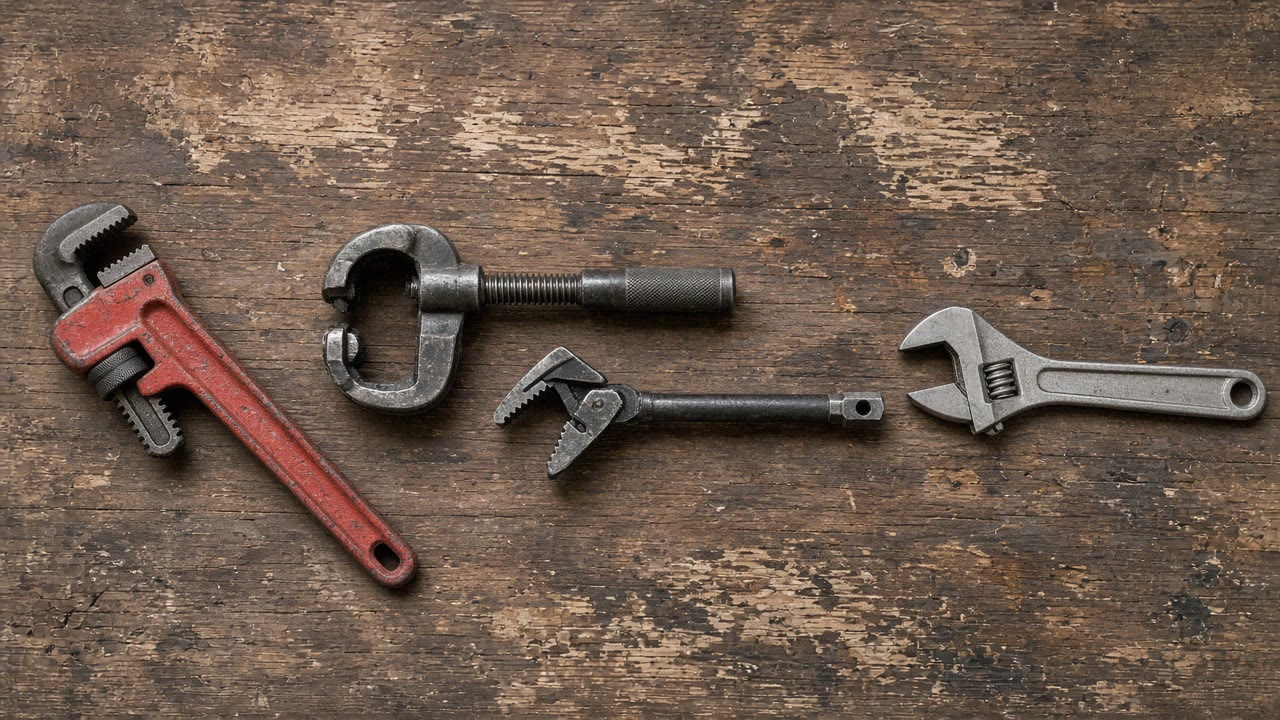
Where the small jobs end
When you may not need this at all
- A running toilet is very often a flapper. OCWA publishes the test: a few drops of food coloring in the tank, wait about 45 minutes, and look in the bowl. If the color shows, the toilet is emptying and refilling itself, and the part costs a few dollars. It is a reasonable first attempt for anyone comfortable lifting a tank lid.
- A slow faucet is usually the aerator rather than the plumbing. Unscrewing it and rinsing the screen takes a minute, and the City of Syracuse recommends doing it regularly anyway, because sediment and lead particles physically collect in that screen.
- White granules blocking aerators and shower heads come from the water heater dip tube, not the fixtures, and OCWA reports they are most likely in heaters manufactured between 1993 and 1996. Replacing the faucet will not fix it.
- An in kind swap needs no permit in this county, so if the pipe does not move you are inside the rules doing it yourself. What you cannot do is take that logic outside: the county prohibits homeowners from any plumbing work outside the house at all.
- If every fixture in the house is slow rather than one, the fixtures are not the problem. That is a pressure question or a supply piping question, and replacing taps will not change it.
- A new lead free faucet is a legal threshold rather than a zero, at a weighted average of 0.25 percent, so swapping fixtures is not by itself a lead plan for a house built before 1986.
What is out of scope
- Blocked waste, traps and anything on the drain side of a fixture, which is a different trade problem and is arranged separately.
- Water service line and supply piping replacement, which are their own services with their own permits.
- Water heaters, which the county requires a permit and a photographic checklist for.
- Appliance repair. The stop and the braided line are plumbing; the machine behind them is not.
- Irrigation and lawn sprinkler systems beyond the backflow connection itself.
- Cabinetry, countertops, tiling and making good beyond the openings the plumbing work made.
- Water softeners, filters and treatment equipment.
Questions about faucets, toilets and shutoffs
Do I need a permit to replace a faucet?
Not if it is in kind. Onondaga County Plumbing Control states that the only instance where a plumbing permit is not required is where a fixture such as a faucet or shower head is replaced with one of the same flow rating, and lists the faucet, flush valve, supply tube, individual fixture stop, toilet fill valve and flushing mechanism as work that needs no permit. If a quote adds a permit fee to a like for like faucet swap, ask what it is for. Anything that moves, adds or changes pipe is a different answer.
How do I know the plumber at my door is allowed to work here?
Ask for the card. Onondaga County requires plumbers working in the county to be licensed and registered with WEP Plumbing Control and to carry the registration card on them as identification for inspectors, property owners and others on site, so you are one of the people the rule names. The county also requires license decals on both sides of commercial vehicles and requires the license holder or a registered journeyman to be present during an installation. There is a published master list and a number, 315-435-6614, which also takes complaints. Which license class applies inside the Syracuse city line is described two different ways in the county's own documents, so that number is the place to settle it for your address.
My toilet runs on and off at night. Is it costing me anything?
Twice over, because of how the billing works. The City of Syracuse sets the sewer rate at 1.25 dollars per 100 cubic feet with sewer bills based on actual metered consumption, so every gallon a toilet wastes is charged as water and charged again as sewer. That doubles the payback on the cheapest repair in the trade, and it is why a bill that jumped is worth chasing the same week rather than next quarter.
The shutoff under my sink will not turn. What now?
It gets replaced, and the water has to come off further back to do it. OCWA is explicit that it owns only the meter and the remote reader and that all plumbing and piping including shutoff valves belongs to the owner, so the seized valve is yours. The practical route is the valve inside the building wall, which the customer rules require to be within 12 inches of it, or a call to OCWA to have the water shut off at the road while the work is done. What you should not do is try the curb box yourself.
Should I put in a water softener or a whole house filter?
Neither is a plumbing necessity here. OCWA describes its water as moderately hard at 6 to 11 grains per gallon and states plainly that softening does not improve the sanitary quality of water, and the city supply measures 127 milligrams per liter, about 7.4 grains. In Baldwinsville there is a specific reason to think twice, since sodium at the Canton Street Well already measures 30.1 milligrams per liter against an advisory of 20 for people on restricted sodium diets, and a softener adds sodium. If lead is the worry, a test and the pipe question are the answer rather than a softener.
My pipes bang and the fixtures drip. Are the two connected?
Often, and the connection is pressure. Section 5.4.H of the county requirements makes a pressure reducing valve mandatory on the inlet side of the meter where line pressure exceeds 80 psi in OCWA territory, and high incoming pressure is the quiet cause of banging pipes, weeping supply lines and short water heater lives. Put a gauge on a hose bib before you replace another cartridge: if the reading is high, the fixtures are the symptom.
Tell us what is dripping or running
Which fixture, how long, and whether the shutoff under it still turns. That is the whole brief.